
ABOUT US

Our Committee

Composition

ISAN is a not-for-profit organisation, registered in Australia with the purpose of facilitating communication between those working in, and to raise the profile of, Autonomic Neuroscience. The business of ISAN is managed by its elected Executive Committee, volunteers from the community who serve for periods of up to three years.


The Executive Committee is composed of:

  • President
  • Vice President
  • Past-President
  • Treasurer
  • Secretary
  • International Secretary
  • Communications Officer
  • Regional Representatives (Africa ♦ Asia ♦ Australasia ♦ Europe ♦ North America ♦ South America)
  • Representatives At Large

Executive Committee

Any member of the Society may apply for a position on the Executive Committee. Elections are typically held during Conventions of the Society. Our current Executive Committee are:

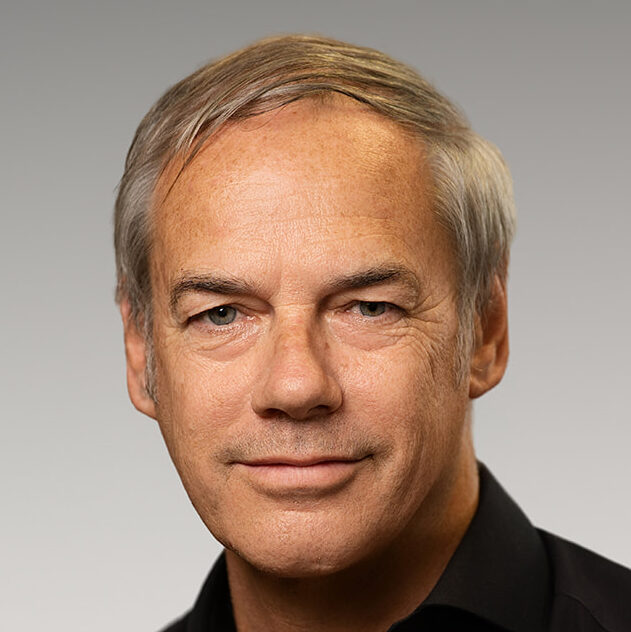
Vaughan Macefield

President

Professor of Neuroscience
Department of Neuroscience
Monash University
Melbourne, Victoria, Australia
Vaughan Macefield is Professor of Neuroscience in the Department of Neuroscience at Monash University, Melbourne, Australia. He is a neurophysiologist who specialises in microelectrode recordings from human peripheral nerves (microneurography) and is best known for developing the methodology for recording the firing properties of single, type-identified, sympathetic neurones supplying muscle and skin and for developing the methodology for recording muscle sympathetic nerve activity (MSNA) at the same time as performing functional magnetic resonance imaging (fMRI) of the brain (MSNA-coupled fMRI). Vaughan has served as President of ISAN (2013-2015) and has been Chair of the Local Organising Committee for two ISAN meetings, ISAN 2009 (Sydney, Australia) and ISAN 2022 (Cairns, Australia).

https://orcid.org/0000-0003-3325-6566

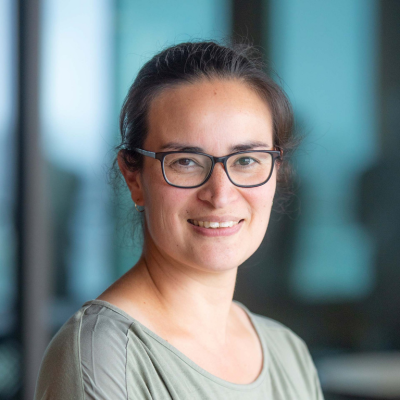
Lindsea Booth

Vice President

Senior Research Fellow
Florey Institute of Neuroscience and Mental Health
Melbourne, Victoria, Australia
Lindsea Booth is an Allan and Maria Myers Research Fellow and head of the Neurocardiovascular Physiology Group at the Florey Institute. Her work is focused on understanding how the autonomic nervous system is altered in diseases, such as heart failure and sepsis, and investigating how modifying activity within these nerves can improve outcome.

https://orcid.org/0000-0003-3093-5766

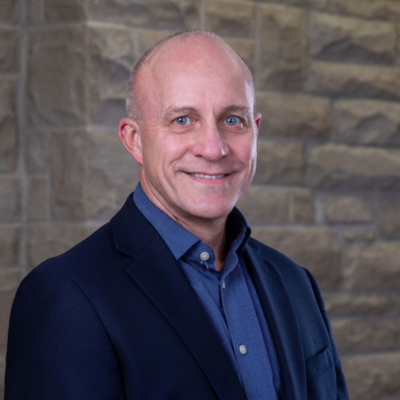
J. Kevin Shoemaker

Past President

Professor of Kinesiology
University of Western Ontario
London, Ontario, Canada
Kevin Shoemaker received his Ph.D. in Work Physiology from the University of Waterloo in 1996 and started his academic career at the University of Western Ontario in 1999 following post-doctoral training at the Penn State College of Medicine. Dr. Shoemaker’s research focuses on the neural control of the circulation in health and disease. Particular focus is applied to a) determining efferent sympathetic discharge patterns, b) the cortical autonomic pathways mediating autonomic changes and cardiovascular control, and c) neurovascular of organ blood flow, focusing on skeletal muscle and cerebrovascular beds.

https://orcid.org/0000-0002-6794-5979

Simon McMullan

Treasurer

Associate Professor
Neurobiology of Vital Systems
Macquarie Medical School
Sydney, New South Wales, Australia
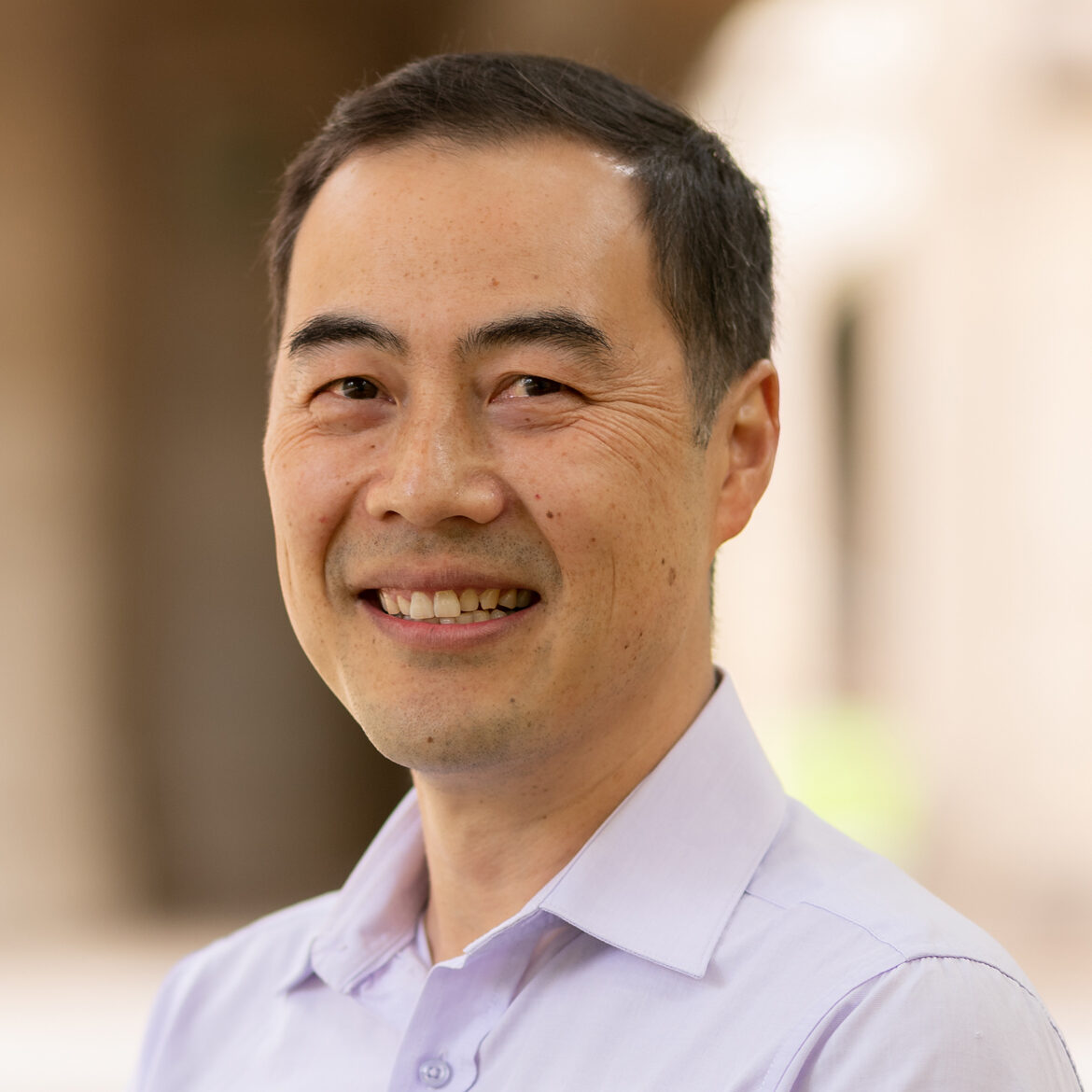
Simon McMullan’s research focuses on medullary centres that control breathing and the cardiovascular system. This intricate machinery is entirely autonomous and requires no input from the ‘conscious’ brain; the neural circuits that regulate the body’s metabolic economy become active before birth and remain so throughout life, their silence defining the moment of brain death.
Work in Dr McMullan’s group uses a combination of electrophysiology, neural circuit tracing, and behavioural techniques to understand the functional architecture of neurons that generate sympathetic nerve activity.

https://orcid.org/0000-0002-9854-1029

Song Yao

Secretary

Associate Professor
Cardiovascular Neuroscience
Department of Anatomy and Physiology
University of Melbourne
Melbourne, Victoria, Australia
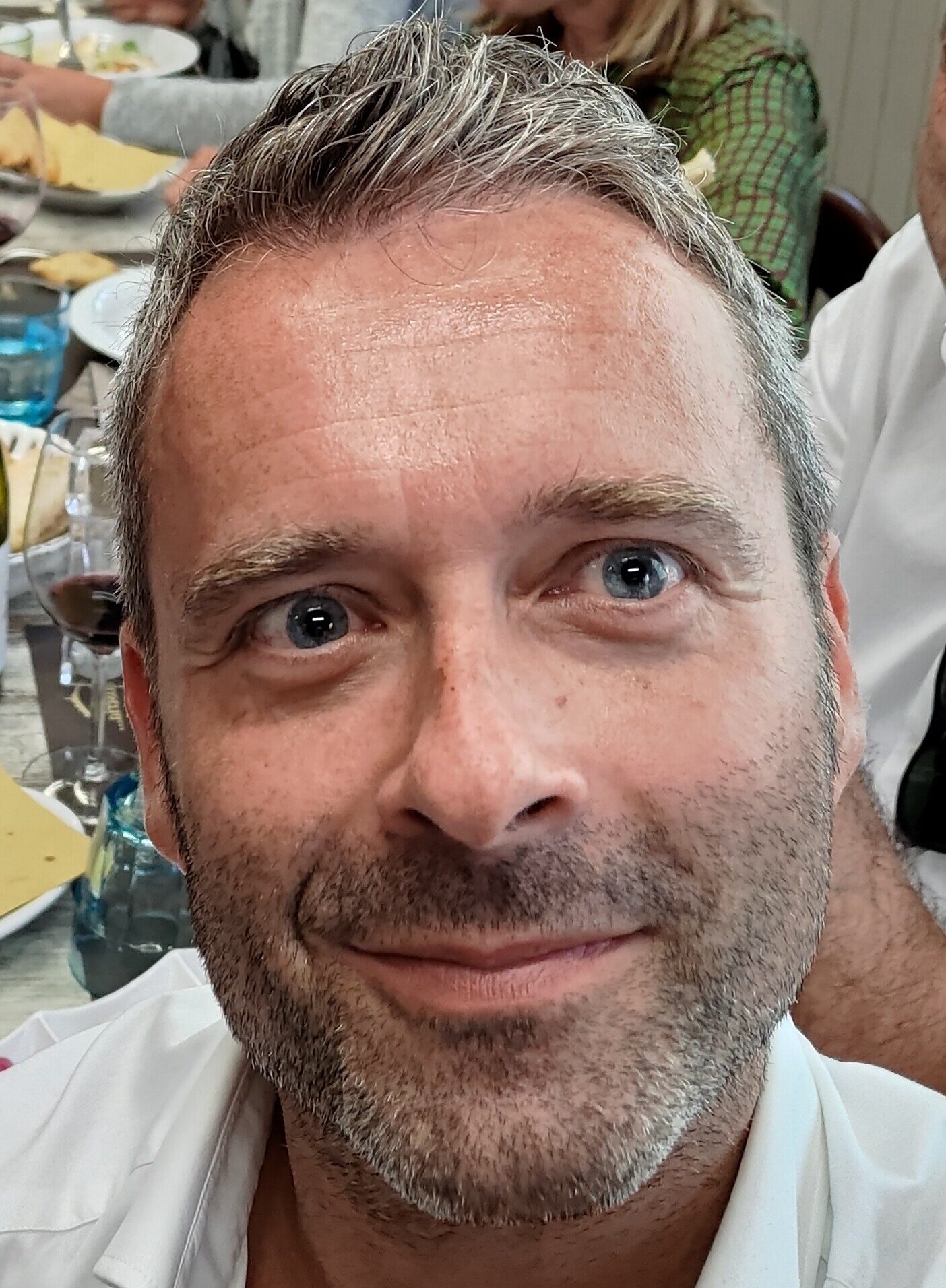
Song Yao received his PhD from Monash University. He is currently a teaching a research academic based in the Department of Anatomy and Physiology at the University of Melbourne, Australia. Dr Yao’s research focuses on brain areas and mechanisms that regulate the activity of autonomic nerves in health and disease (hypertension, heart failure, sepsis) with the aim of discovering novel therapeutic targets. Dr Yao is currently the Neuroscience theme lead for his department and Secretary of ISAN.

https://orcid.org/0000-0003-3337-4490

Davide Martelli

International Secretary

Associate Professor of Physiology
University of Bologna
Bologna, Metropolitan City of Bologna, Italy
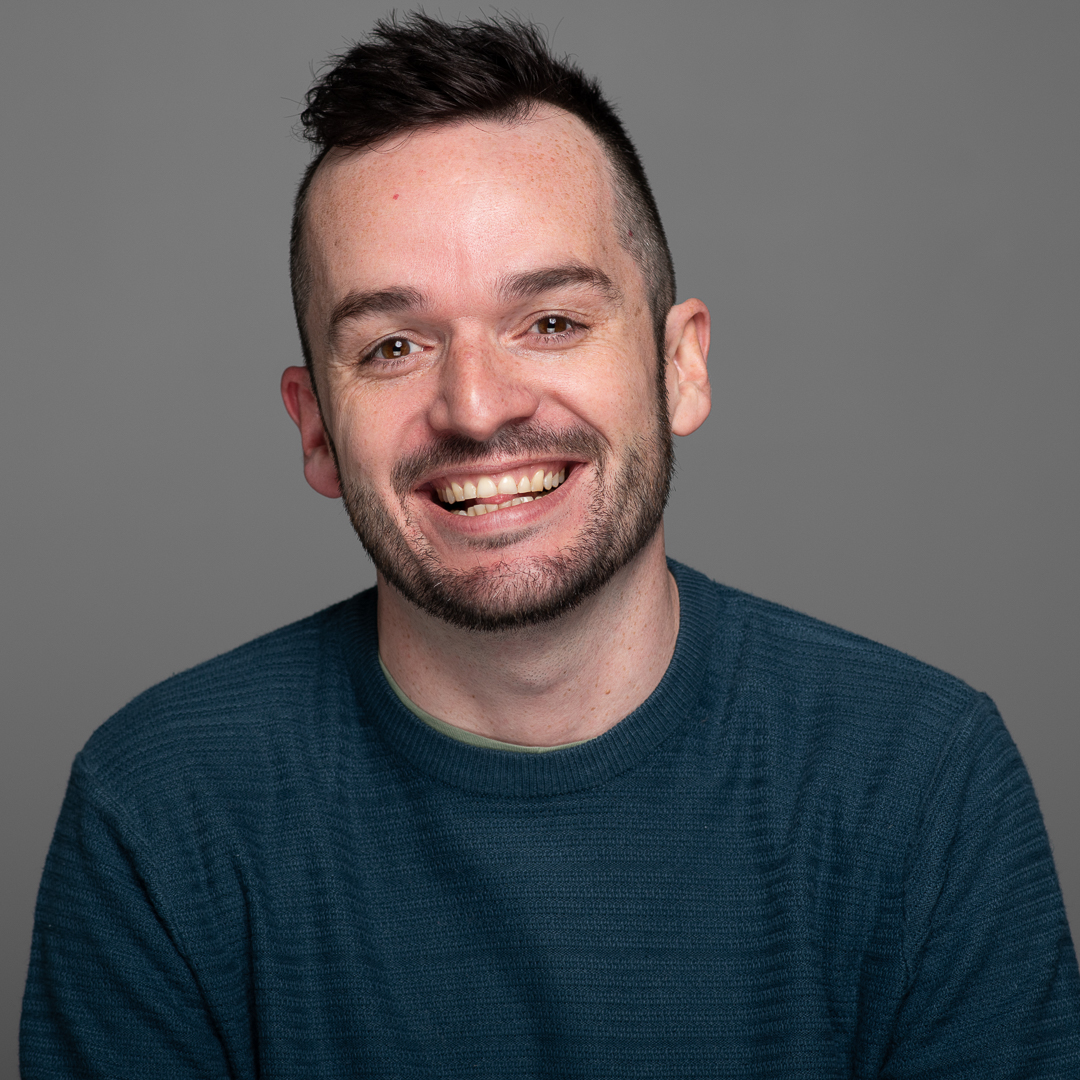
Davide Martelli is Associate Professor of Physiology at the University of Bologna and Honorary Associate Professor at the Florey Institute of Neuroscience and Mental Health, Melbourne. His research focuses on the autonomic control of immunity, with particular interest in how sympathetic pathways, including the splanchnic nerves, regulate inflammation and host defence during infection. After training in neurophysiology and sleep research, he worked at the Florey Institute with Robin McAllen and Michael McKinley, where he developed his interest in the neural regulation of immune function. His current work combines autonomic neuroscience and experimental immunology to investigate the mechanisms through which neural pathways shape immune responses. He chaired the 14th ISAN Congress, held in Bologna in 2026.

https://orcid.org/0000-0001-6523-9598

David Farmer

Communications Officer

Research Fellow
Department of Neuroscience
Monash University
Melbourne, Victoria, Australia
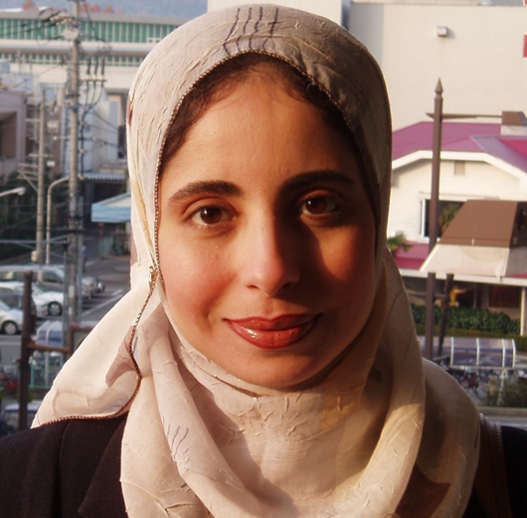
David Farmer received his PhD from the University of Glasgow. He has a broad range of interests including sympathetic nervous system organisation, the neurones within the brain that control heart rate, and the neurobiology of the cough reflex. In his current work, David studies the function of the human vagus nerves.

https://orcid.org/0000-0002-6350-9379

Miran Rakha​

Regional Representative, Africa

Senior Lecturer of Neuroscience
Pharmacology and Biochemistry Department
Faculty of Pharmacy
The British University
El Shorouk, Cairo, Egypt
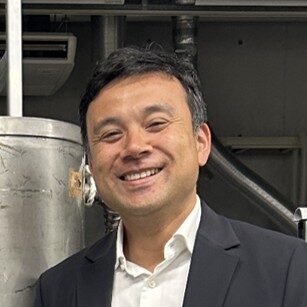
Miran Rakha earned her PhD in Neurophysiology, and her Postdoctoral Fellowship in Clinical Neuroscience from the Graduate School of Medicine, Dentistry and Pharmaceutical Sciences, Okayama University, Japan. She was nominated as a Representative of Egypt in N€UROMED Project “Mediterranean Neuroscience Network”. She started her academic career as an Adjunct Faculty Member to be the Founder and the Leader of Neuroscience Modules at The British University in Egypt. Her research focuses on Neuro-Immune Axis and Gut-Brain Interactions. A special focus of her research was devoted to Cardiovascular Neuroscience. She was elected as the Regional Representative of Africa in ISAN (2015-Present). She has served as a Member in the International Program Committee for three ISAN meetings; 2017 (Japan), 2019 (USA) and 2022 (Australia).

https://orcid.org/0000-0002-5396-567X

Satoshi Koba

Regional Representative, Asia

Professor
Division of Veterinary Physiology
Tottori University
Tottori, Chūgoku, Japan
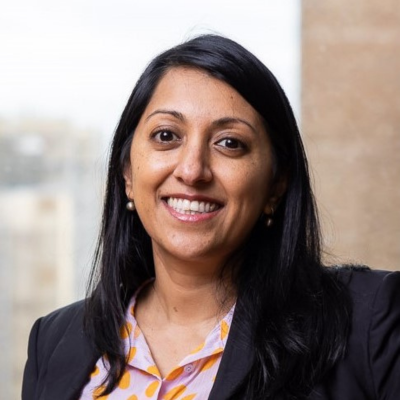
Satoshi Koba is a Professor in the Division of Veterinary Physiology at Tottori University, Japan. His current research focuses on the brain circuit mechanisms underlying autonomic cardiovascular regulation during exercise and psychological stress, as well as in cardiovascular disease. He is particularly interested in how brain activation during exercise or stress orchestrates somatomotor and autonomic functions, and how alterations in central neural circuits contribute to sympathetic overactivity in heart failure. His group aims to elucidate the neural mechanisms by which therapeutic interventions, including exercise training, restore autonomic function in cardiovascular disease.

https://orcid.org/0000-0003-0764-7053

Natasha N Kumar

Regional Representative, Australasia

Senior Lecturer
Pharmacology
University of New South Wales
Sydney, New South Wales, Australia
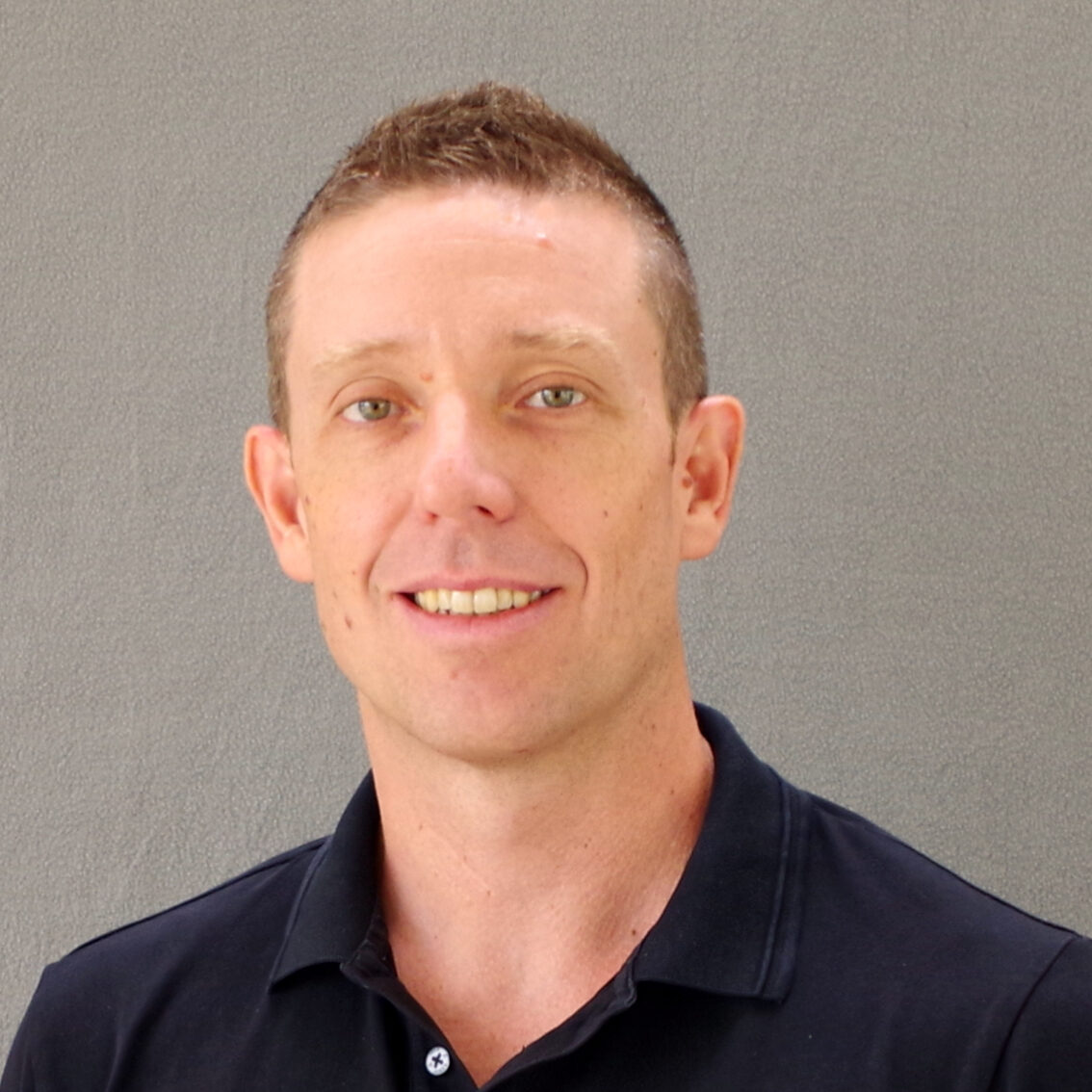
Natasha Kumar is an integrative neuroscientist and head of the Molecular Neuroscience lab at UNSW Sydney. Her research group investigates the cellular/molecular and physiological basis for respiratory and autonomic regulation (and dysregulation during sleep apnea, SIDs and other respiratory disorders). Currently, her group is focussed on the molecular details that underlie hormones /neurotransmitter and other neuromodulators interacting with respiratory chemoreceptors and the chemical drive to breathe, to lead to changes in human physiology. She has served as the Australasian Representative for ISAN since May 2023.

https://orcid.org/0000-0003-4712-8792

Clément Menuet

Regional Representative, Europe

Research Scientist (Chargé de Recherche)
Institut de Neurobiologie de la Méditerranée (INMED), INSERM
Aix-Marseille University
Marseille, France
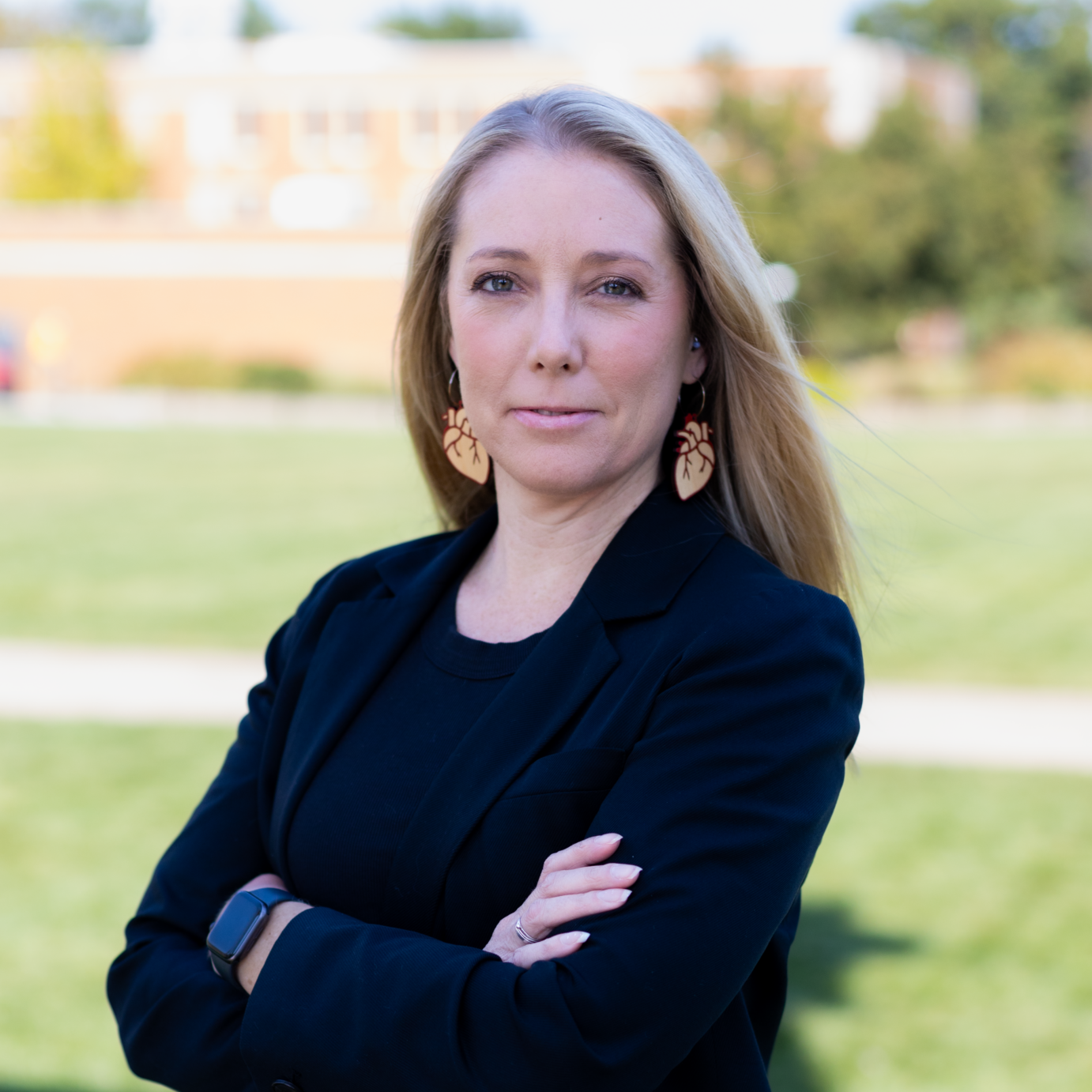
Clément Menuet is an INSERM Research Scientist at the Institut de Neurobiologie de la Méditerranée (INMED) in Marseille, France. He received his PhD in Neuroscience from Aix-Marseille University in 2011, working on the neural control of breathing, and then completed postdoctoral training with Pr Andrew Allen at the University of Melbourne, Australia (2012-2016). His research focuses on the central neuronal mechanisms by which the respiratory network modulates cardiovascular autonomic activity, giving rise to respiratory heart rate variability (RespHRV) and respiratory oscillations in blood pressure (Traube-Hering waves), and on how this coupling is altered in disease. These mechanisms are investigated at the cellular, network and behavioural levels, combining functional manipulations (optogenetics, chemogenetics), optical and electrophysiological recordings, physiological monitoring in freely moving animals, and neuroanatomical approaches.

https://orcid.org/0000-0002-7419-6427

Carie Boychuk

Regional Representative, North America

Associate Professor
Pathobiology and Integrative Biomedical Sciences
College of Veterinary Medicine
University of Missouri
Columbia, Missouri, USA
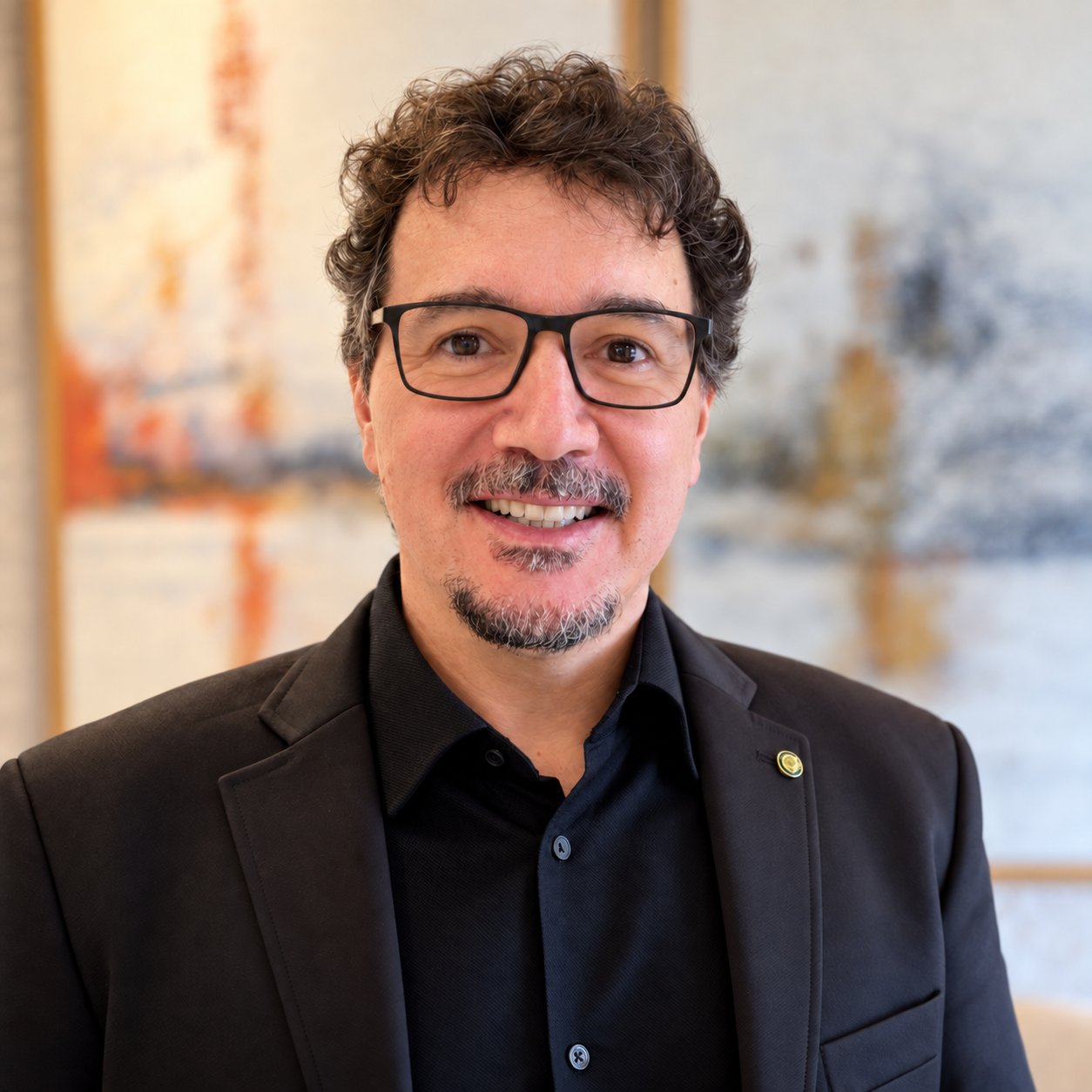
Carie R. Boychuk received her Ph.D. in Physiology from the University of Florida in 2009. She completed two postdoctoral fellowships at George Washington University and the University of Kentucky. She is currently an Associate Professor at the University of Missouri. For more than 20 years, Dr. Boychuk’s research has focused on the central circuits responsible for the generation of parasympathetic motor output with emphasis on cardiac function. Work in her laboratory spans a multitude if techniques and technologies which scale from single cell analysis to whole animal telemetry. Her laboratory specializes in understanding how central synaptic plasticity can be a neurosubstrate for abnormal parasympathetic cardiac control in disease.

https://orcid.org/0009-0000-1600-7301

Vagner Atunes

Regional Representative, South America

Associate Professor
Department of Physiology & Biophysics
Institute of Biomedical Sciences
University of São Paolo
Butantã, São Paulo, Brazil
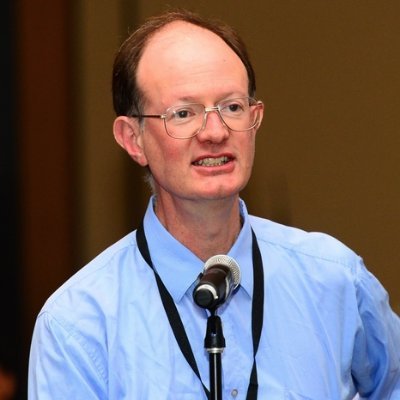
Vagner Antunes received his PhD from the School of Medicine of Ribeirão Preto, University of Sao Paulo (USP). He is currently Associate Professor in the Department of Physiology & Biophysics, Institute of Biomedical Sciences, USP, in Sao Paulo, where he leads the Laboratory of Neural Control of Circulation. His research focuses on the autonomic regulation of cardiovascular function, particularly hypothalamic and brainstem circuits involved in blood pressure control and neurogenic hypertension associated with high salt intake. He also investigates the neural mechanisms underlying autonomic and cognitive dysfunction. Dr Antunes is past President of the Brazilian Society of Physiology (SBFis) and served on the Council of the International Union of Physiological Sciences (IUPS).

https://orcid.org/0000-0002-6949-012X

Keith Brain

Representative At Large

Associate Professor in Pharmacology
Biomedical Sciences
University of Birmingham
Birmingham, UK
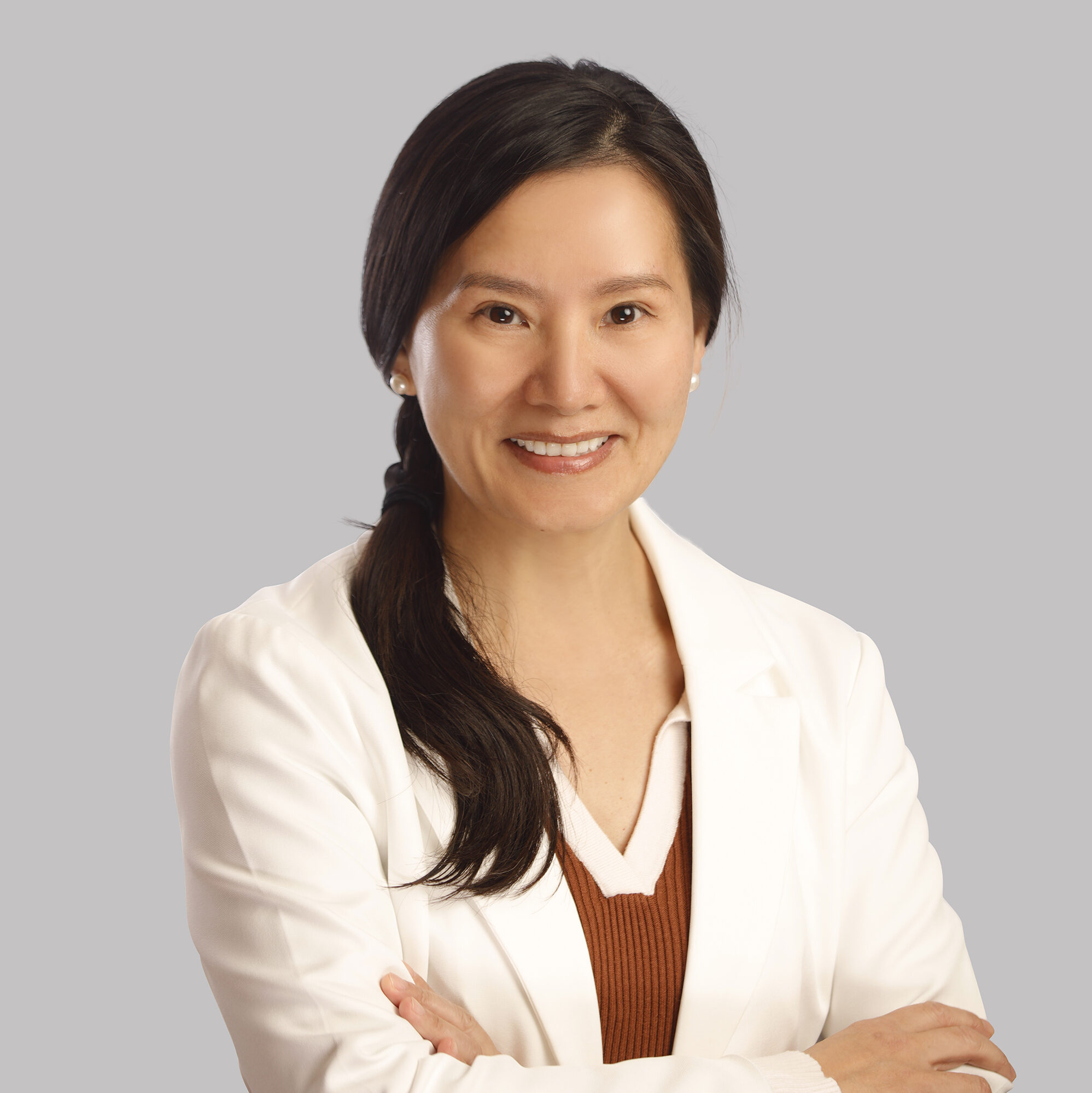
Keith Brain trained in medicine (MB/BS) and Physiology (PhD) at the University of Sydney before moving to Oxford on a series of research fellowships. Since 2009 he has worked at the University of Birmingham, now as an Associate Professor. His work focusses on junctional transmission, in both urogenital and cardiovascular systems. His recent work investigates the regulation of the noradrenaline transporter rate, using optical methods.

https://orcid.org/0000-0002-0906-7012

Yumei Feng Earley

Representative At Large

Professor of Medicine
Professor of Pharmacology and Physiology
School of Medicine & Dentistry
University of Rochester
Rochester, New York, USA
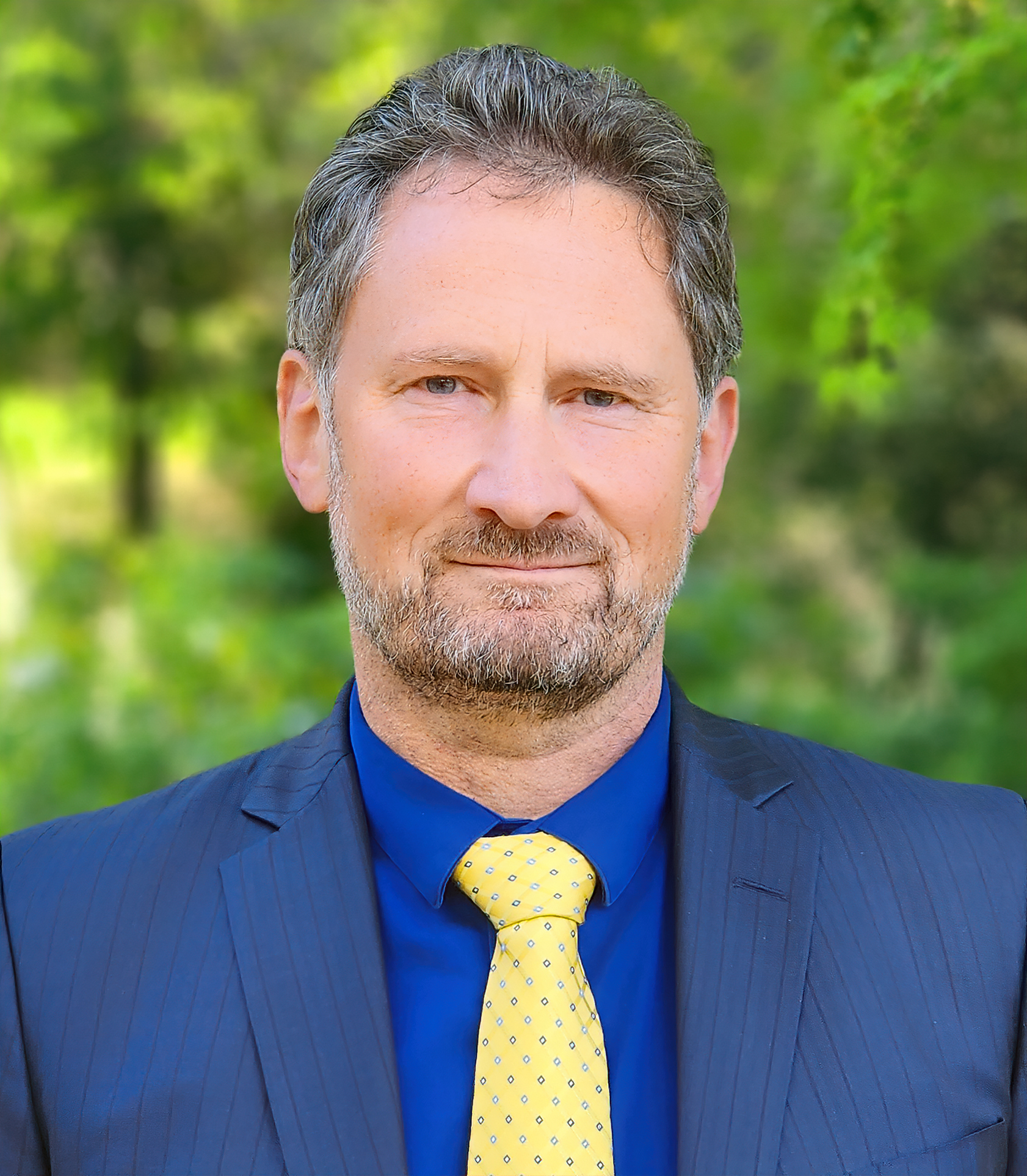
Yumei Feng Earley is Professor of Medicine and Pharmacology & Physiology at the University of Rochester Medical Center. Her research focuses on the central neural mechanisms regulating cardiovascular and metabolic function, with particular emphasis on hypothalamic control of sympathetic activity, blood pressure, and glucose homeostasis. Her laboratory investigates how neuronal and glial circuits within the hypothalamus integrate hormonal, metabolic, and neurohumoral signals to regulate autonomic function in health and cardiometabolic disease. Current work uses cell-specific neural manipulation, electrophysiology, fiber photometry, cardiovascular telemetry, and single-cell genomic approaches to define the roles of hypothalamic AgRP/POMC neurons, astrocytes, and the brain renin–angiotensin system in hypertension and metabolic regulation.

https://orcid.org/0000-0002-4138-0105

Paul Macey

Representative At Large

Professor of Nursing
UCLA Brain Institute
Los Angeles, California, USA
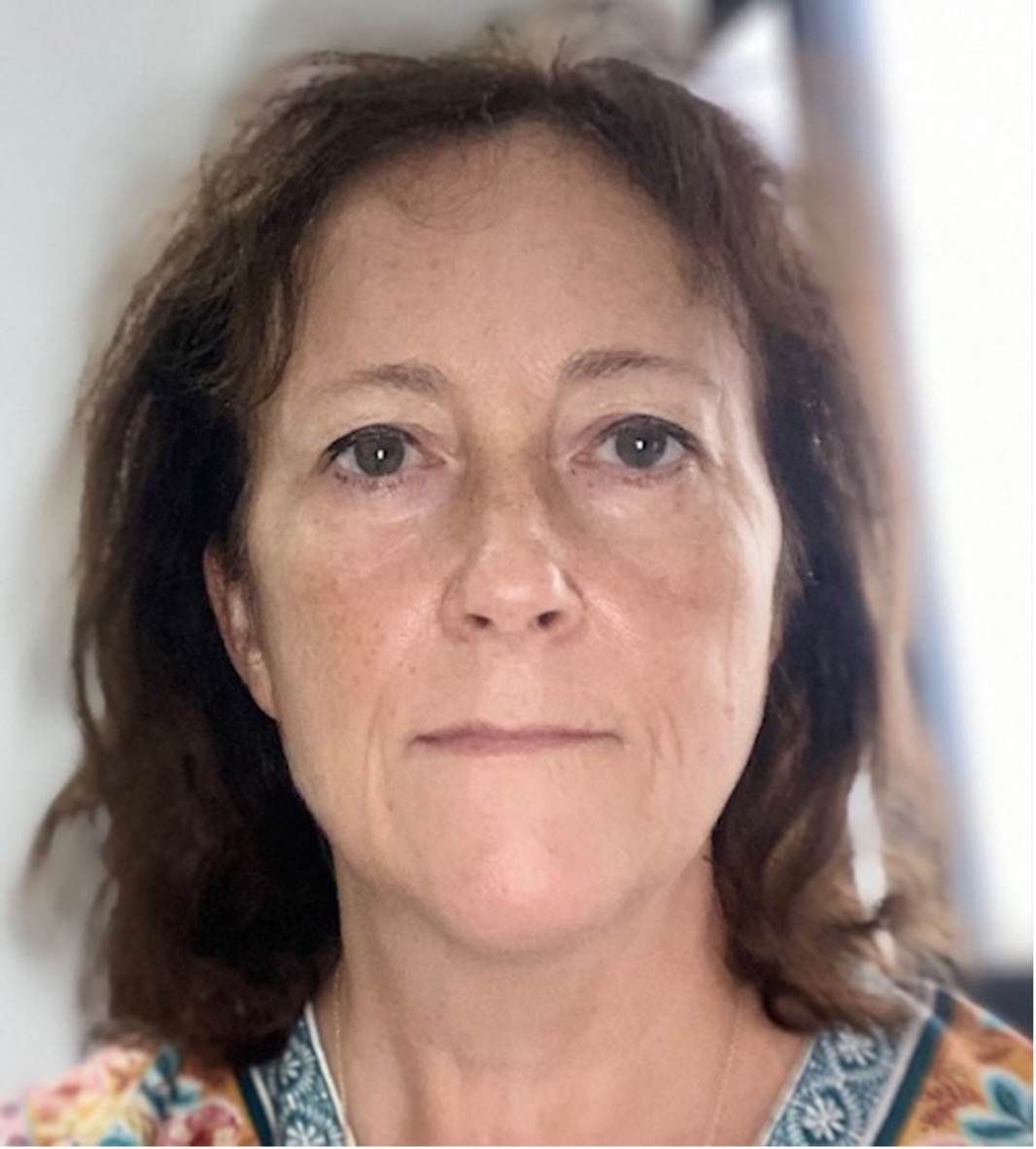
Paul Macey is a professor in the School of Nursing at UCLA, with a PhD in electrical engineering and training as a neuroscientist. Dr. Macey studies how breathing problems during sleep affect the brain, and how brain changes relate to stress. He uses state-of-the-art neuroimaging techniques combined with physical and mental measures of stress to understand brain-body connections. Most recently, he is testing whether breathing and meditation can help lower blood pressure and improve well-being.

https://orcid.org/0000-0003-4093-7458

Caroline Sévoz-Couche

Representative At Large

Associate Professor in Neuropharmacology
Institut National de la Santé et de la Recherche Médicale
Paris, France
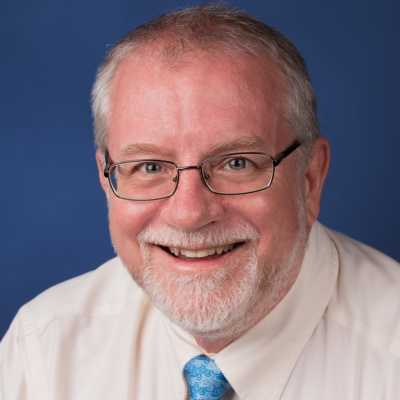
The research of Caroline Sevoz Couche focuses on development of strategies to improve vagal activity in at-risk populations, using pharmacoloogical (inhibition of medullary serotoninergic receptors) and electroceutical (electrical vagal stimulation) approaches.

Her work has shown that invasive or non-invasive vagal nerve stimulation not only increases parasympathetic activity but also promotes anti-nociceptive or anti-inflammatory mechanisms. Recent work from her laboratory has developed deep-breathing techniques as a candidate to improve the function of organs targeted by the vagus nerve (the heart but also lung, eye, pancreas) and reduce central symptoms through positive feedback.

https://orcid.org/0000-0003-4570-6384

Mark Stewart

Representative At Large

Professor of Physiology and Pharmacology
SUNY Downstate Health Sciences University
New York, New York, USA

Mark Stewart, MD, PhD is Professor of Physiology & Pharmacology, and Neurology at the State University of New York (SUNY) Downstate Medical Center in Brooklyn New York. He served as Dean of the School of Graduate Studies for 14 years, until mid-2022. Stewart received his MD and PhD degrees in 1991 from Downstate. His PhD and a postdoctoral fellowship were in neuroscience, and his current research is focused on the autonomic and systemic consequences of epileptic seizure activity including sudden death. His lab’s work has led to the development of tools and strategies to prevent sudden death in epilepsy.